Policy Research
Institute for Equitable
Development

Policy Research Institute for Equitable Development (PRIED) is an independent public interest think-tank based in Islamabad, Pakistan.

Us, In Short...

We started PRIED because we believe how a country powers itself is one of the most consequential decisions it can make. That decision should be made with evidence, with fairness, and with every voice at the table.

What that really means, day to day, is that we dig critically into the policies and research that shapes energy and climate policy in Pakistan. And we try to make sure that research actually leads somewhere just.

Perhaps most importantly, we work directly with communities whose lives are shaped by energy policy, helping them connect, share information, and make their voices heard in spaces where they're often absent.

Write and publish research

Holding our own in global conversations about transitioning away from fossil fuels, ensuring Pakistan and affected communities have a seat at the table.

We bring people together

Connecting legislators, policymakers, businesses, and activists. The energy transition touches everyone and should involve everyone.

Empirical Input

Offering empirical, clear and critical feedback to decision-makers. Sometimes that means support, sometimes it means advocating for a policy rethink.

🏛️

Institutional Legacy and Strategy: PRIED carries forward the work of RDPI — the Rural Development Policy Institute — which spent two decades working across energy, climate justice, local development and disaster mitigation. That history and purpose lives in us; it keeps us grounded and continues to guide us. To this end, PRIED has devised a detailed strategy for its operations, spanning over the next three years. You can read the strategy here.

Our Purpose
01
🎯

What Guides Us

Every Pakistani enjoys equitable access to renewable, reliable, and affordable sources of energy.

02
🌏

Why Us, Why Now?

To accelerate Pakistan’s transition from fossil fuels and large hydroelectric projects to renewable sources of energy and to ensure economic, social, and climatic justice during this transition.

How We Help

How we Help

01
🔬
The Evidence
Research StudiesPolicy Briefs

We undertake rigorous research on what Pakistan's energy and climate policies actually do to communities, ecosystems and household budgets. From tracking coal's impact on Thar's communities, to mapping barriers to green finance, and what solar and mini-grids could mean for those still off the grid, our findings go into reports and briefs designed to shift policy debates toward people-centered outcomes. Our research is independent; our intent, however, is far from neutral.

02
🤝
Building Together
ACJCEPRECGCEN

Our most important work happens with communities, not just for them. In Thar, we've been alongside people living with coal's consequences since 2012, helping them find their voice in decisions that too often get made without them. The same spirit drives us to build networks we're proud of, including the Alliance for Climate Justice and Clean Energy and the Pakistan Renewable Energy Coalition - and to connect with global partners because the challenges we work on don't stop at borders, and neither should the people working on them.

03
📢
Taking a Stand
ParliamentMDB Letters

Research means little without the will to push for change, so we take our findings directly to decision-makers and don't let them off the hook. We're particularly proud of helping establish the Parliamentary Forum on Energy and Economy, a cross-party group of legislators willing to ask hard questions about energy and the economy in the public interest. When lobbying policymakers isn't enough, we write directly to government and multilateral development actors with evidence-based critiques of what needs to change.

04
🌐
Getting the Word Out There
MediaCommunities

Energy transition needs an informed public and a press willing to cover it responsibly, which is why we've trained over a hundred journalists and content creators to report on energy and climate justice from a public interest perspective. What's grown from that work is a Pakistan-wide community of journalists who keep covering these issues, doing investigative work on the stories that tend to fall through the cracks.

Research & Publications

Featured studies

Making it Count

PRIED's Approach to
Media and Public Discourse

Research alone cannot deliver economic, social, and climate justice in Pakistan’s energy transition. That is why PRIED weaves media relations into its programs.

Policy shifts when discourse shifts, and discourse shifts when journalists ask the right questions.

Questions like that require an informed public to pressure decision-makers.

To build that public, PRIED has trained 100 plus journalists and creators.

It partners with media outlets and digital startups to extend reach.

Through fellowships and summer schools, it has produced 300 plus media pieces grounded in PRIED research.

It also runs three specialized media monitors. For media and researchers, they serve as a reliable resource.

Together, they act as quiet accountability for whether energy and climate issues are reported well, reported at all, or falling through the cracks.
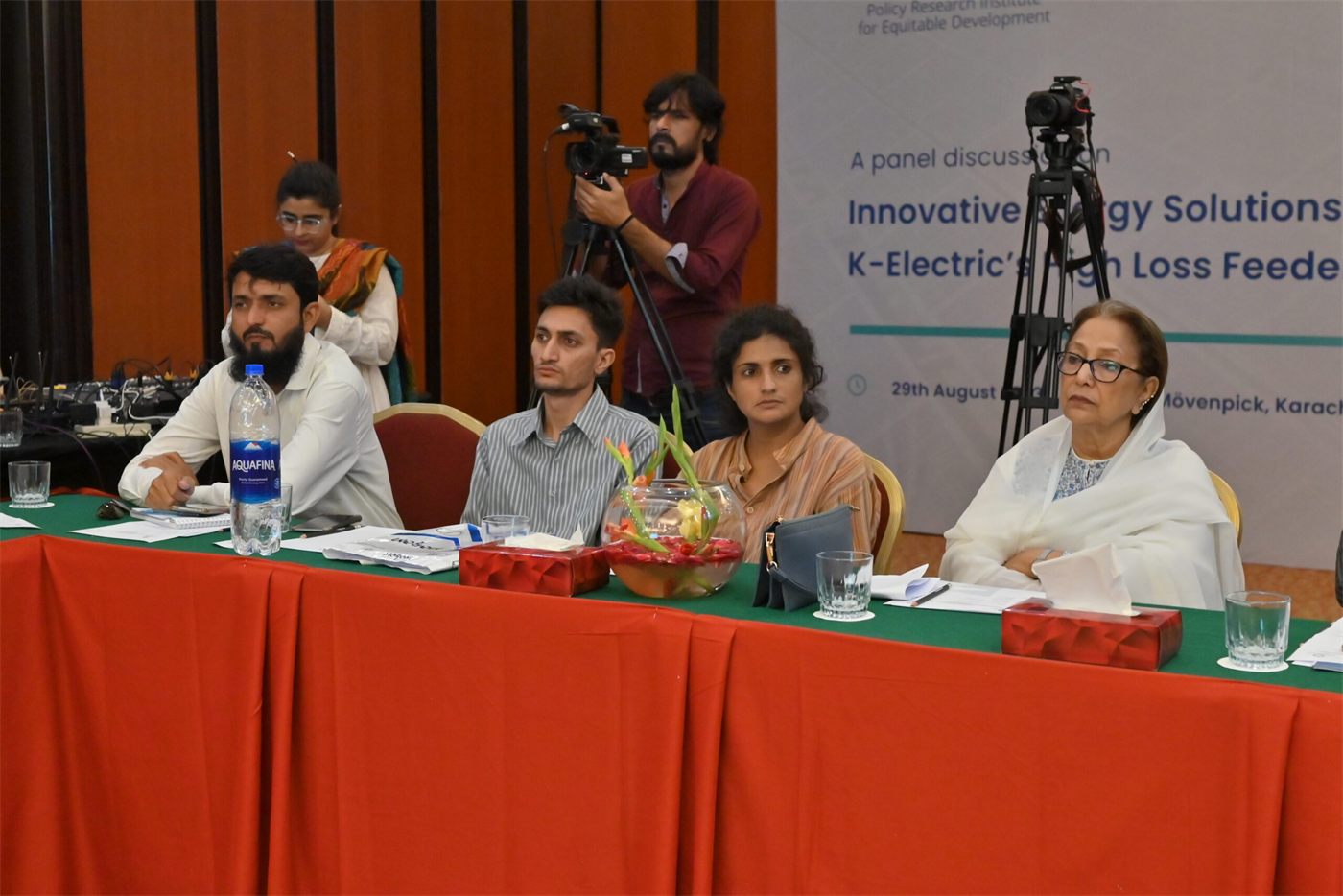
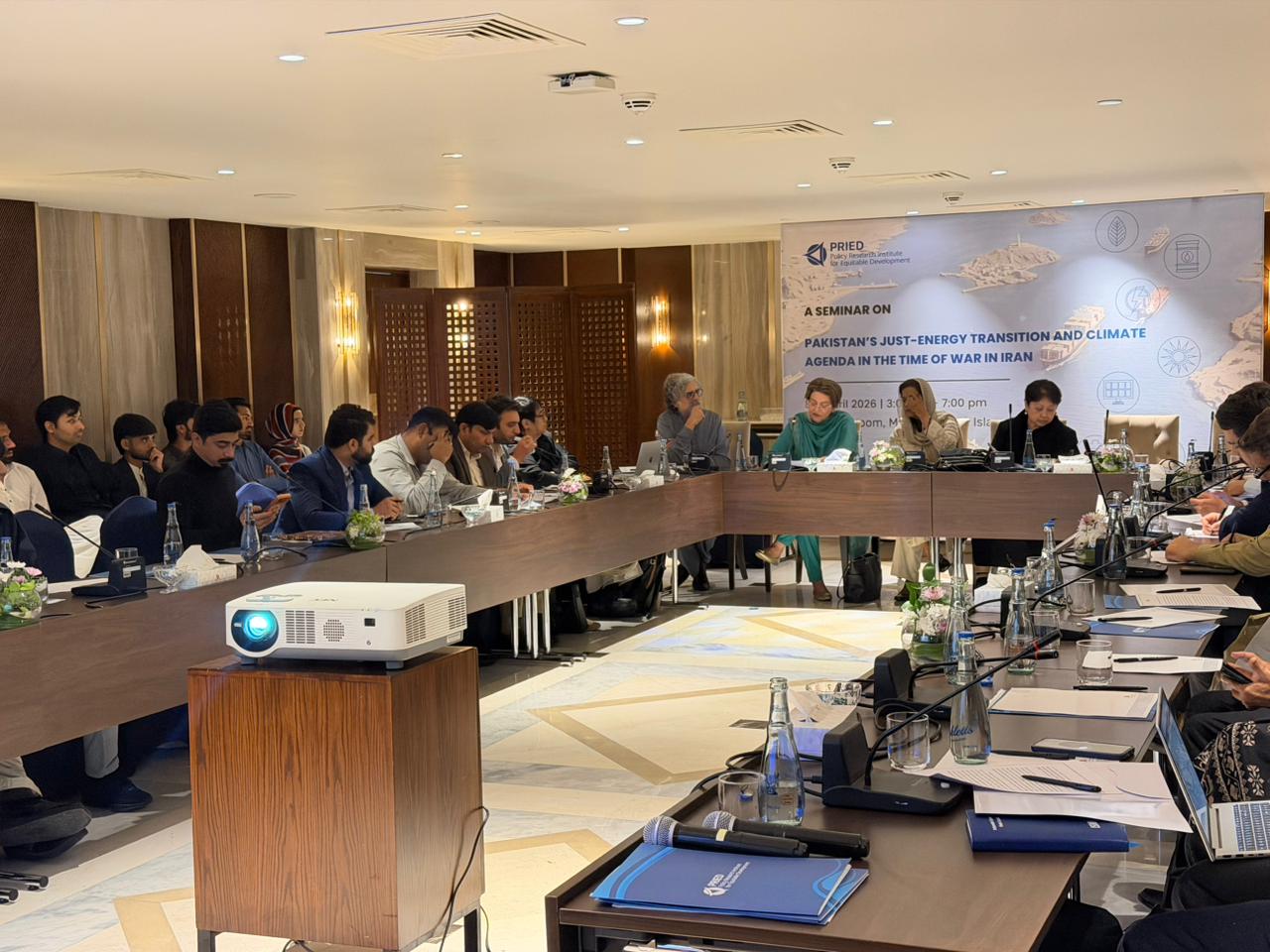
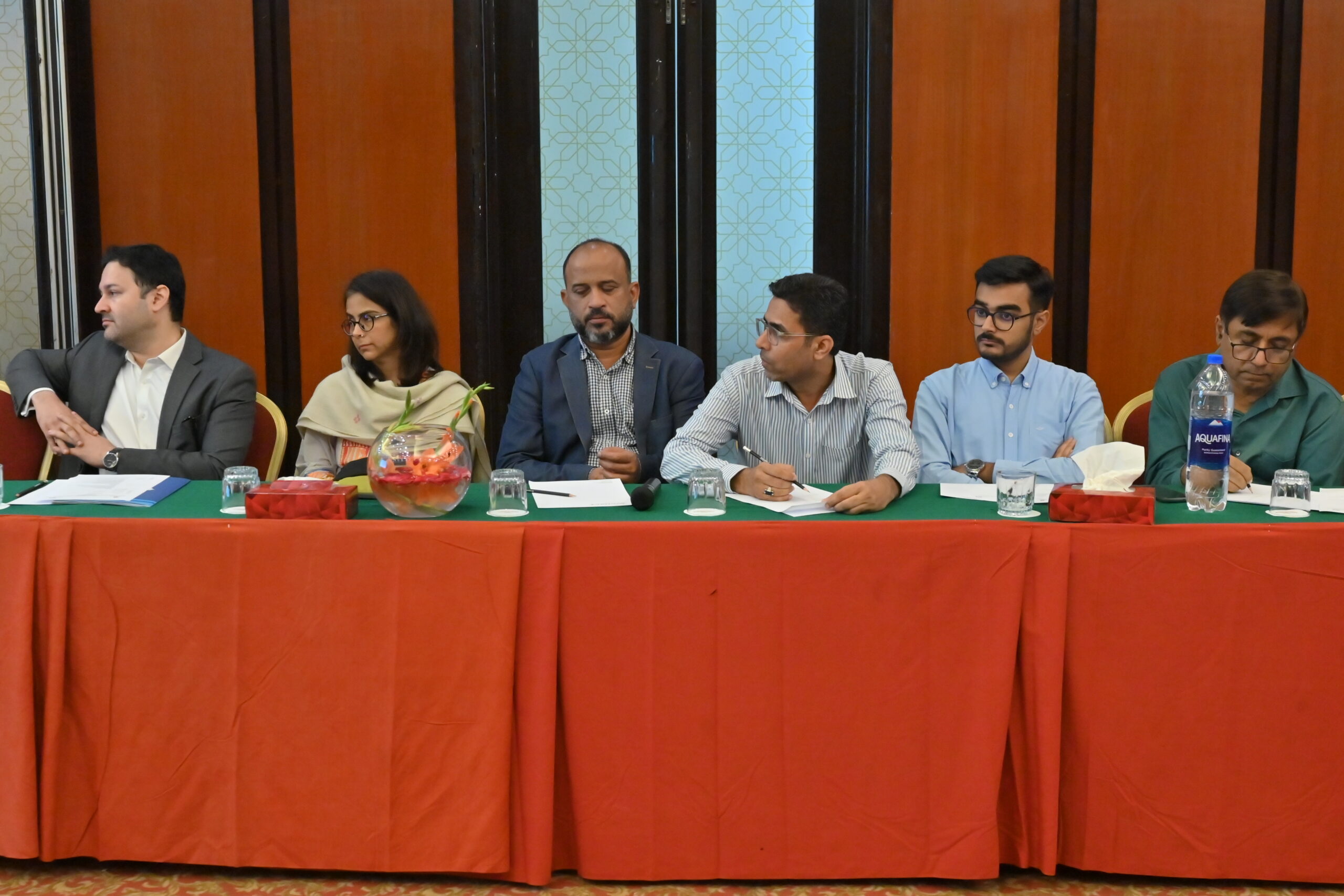
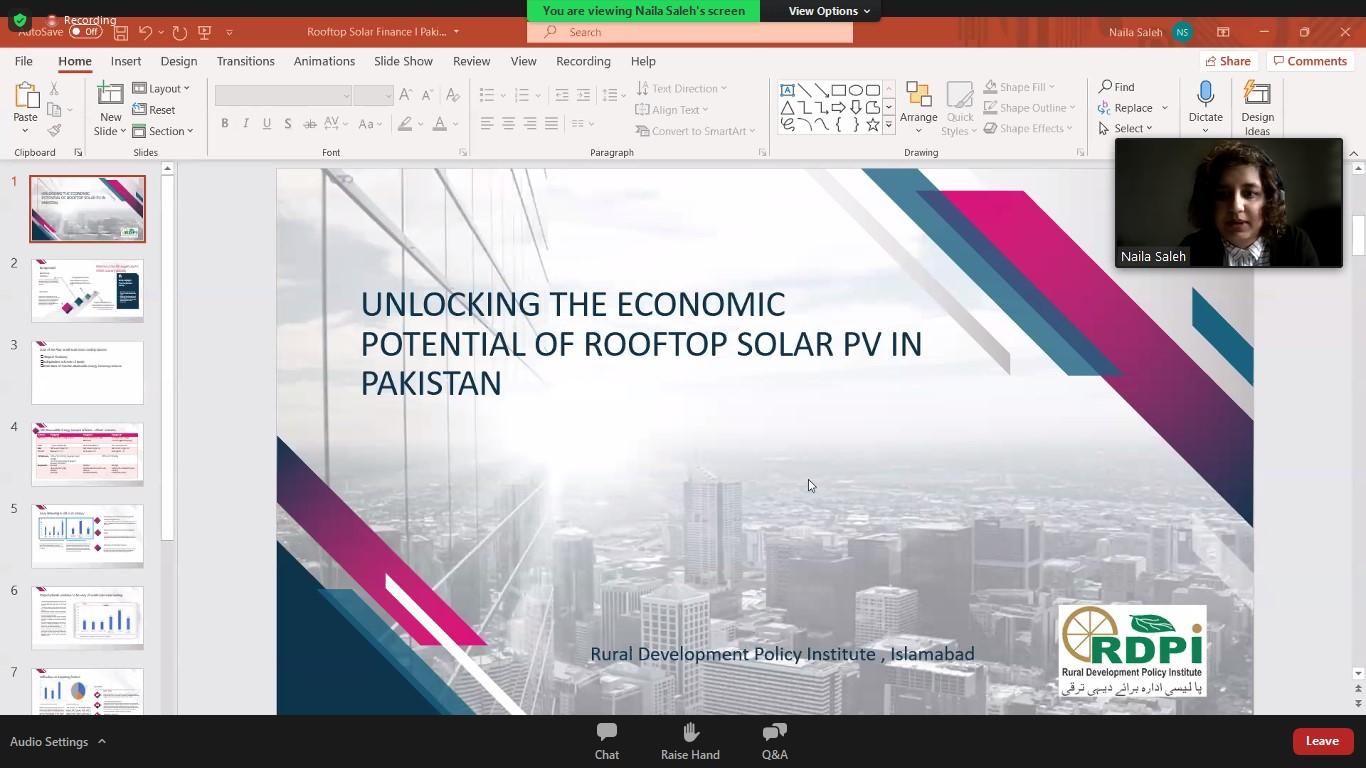
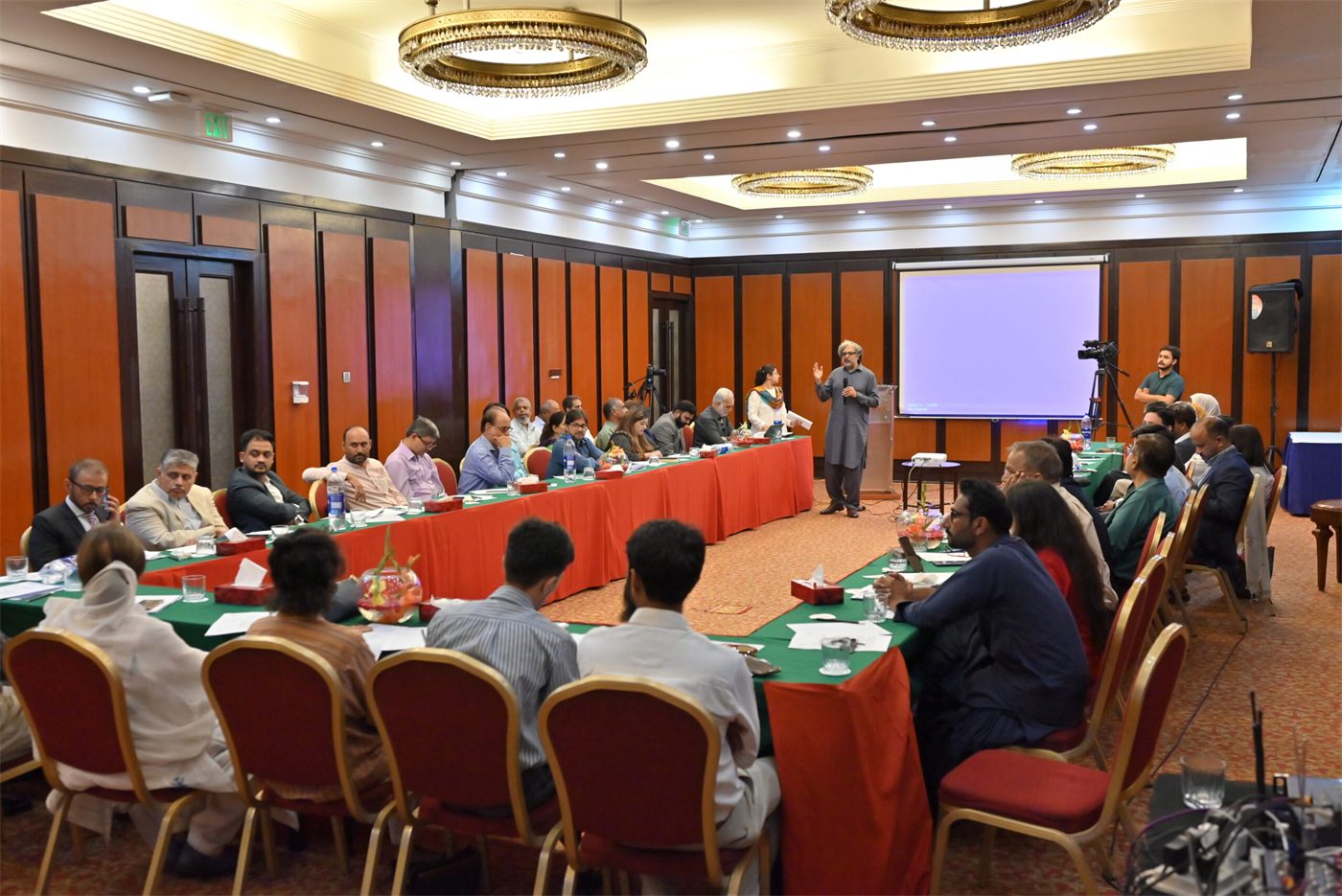
PRIED seminar on Pakistan's just-energy transition and climate agenda
100+
Journalists trained on energy reporting
Weekly
Energy Monitor media tracker
2012
Thar engagement since coal development began
National
Investigative journalist cohort across Pakistan
On the Record

PRIED's Media, Energy &
Climate Monitors

PRIED runs three monitors:

Weekly and Six Monthly Media Monitor: Tracks how Pakistan’s press covers energy and climate. Now an institutionalized output with archives from 2025 through 2026.

Quarterly Energy Monitor: Assesses broader sector trends across Pakistan’s energy landscape.

Specialized Climate Monitor: Focuses on policy commitments and their implementation. They give journalists and researchers a curated record of how the national energy conversation evolves: what gets attention and what’s ignored.

Together, they serve as quiet accountability for whether these issues are reported well, reported at all, or falling through the cracks.
100+
Journalists trained on energy transition reporting
15+
Research studies and policy briefs published
4
National and global networks co-founded or joined
1
Parliamentary Forum on Energy and Economy founded
WHAT'S GOING ON

Happenings at PRIED

View All Events →
Networks & Partners

Collaborating for change

PRIED has engaged with communities affected by energy policies since its inception.

For instance, its work is Thar, where coal development has been ongoing since 2012–13, it helps communities mobilize and make their voices heard at national and international forums.

PRIED also engages regularly with policymakers and Pakistan’s multilateral and bilateral development partners.

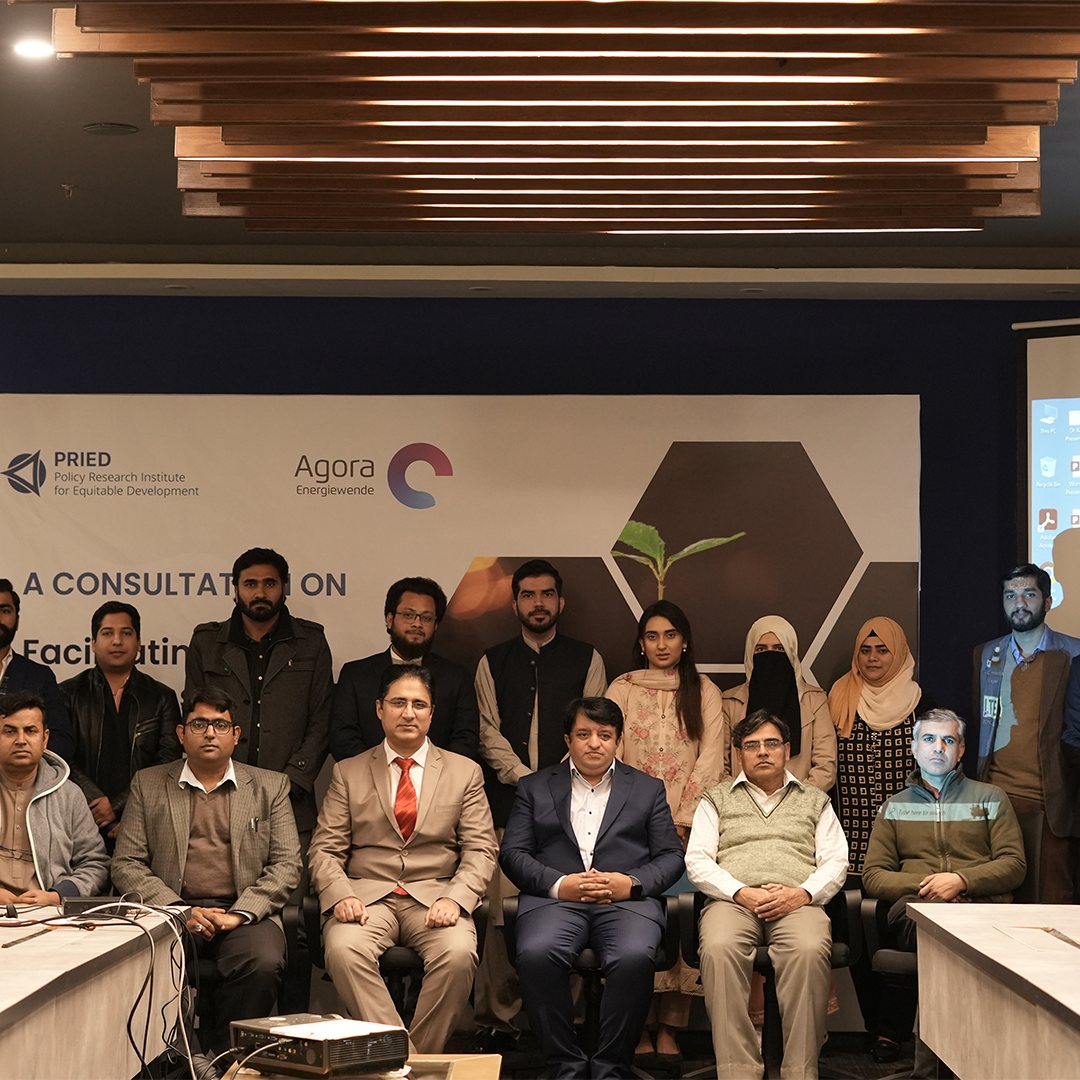
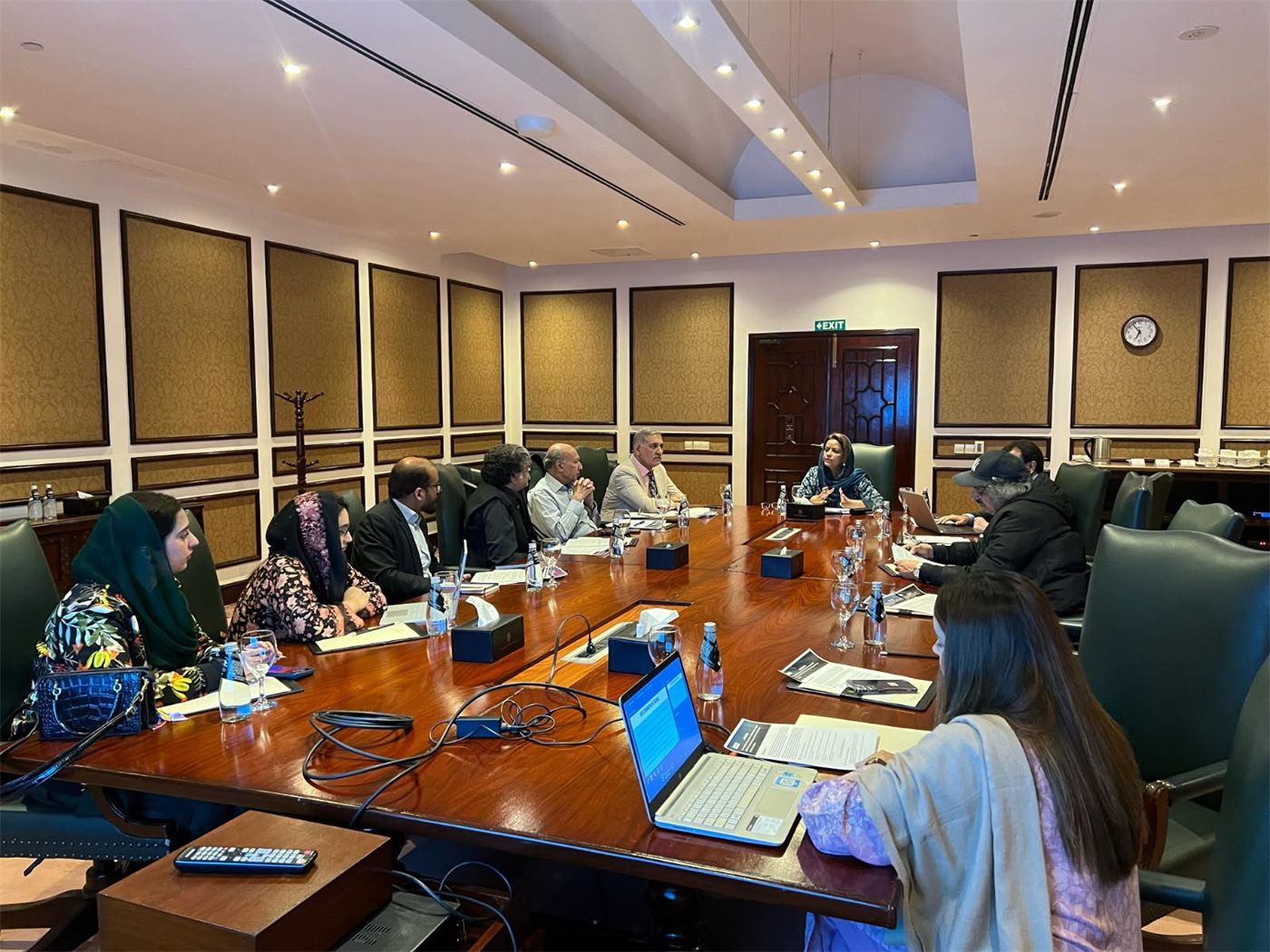
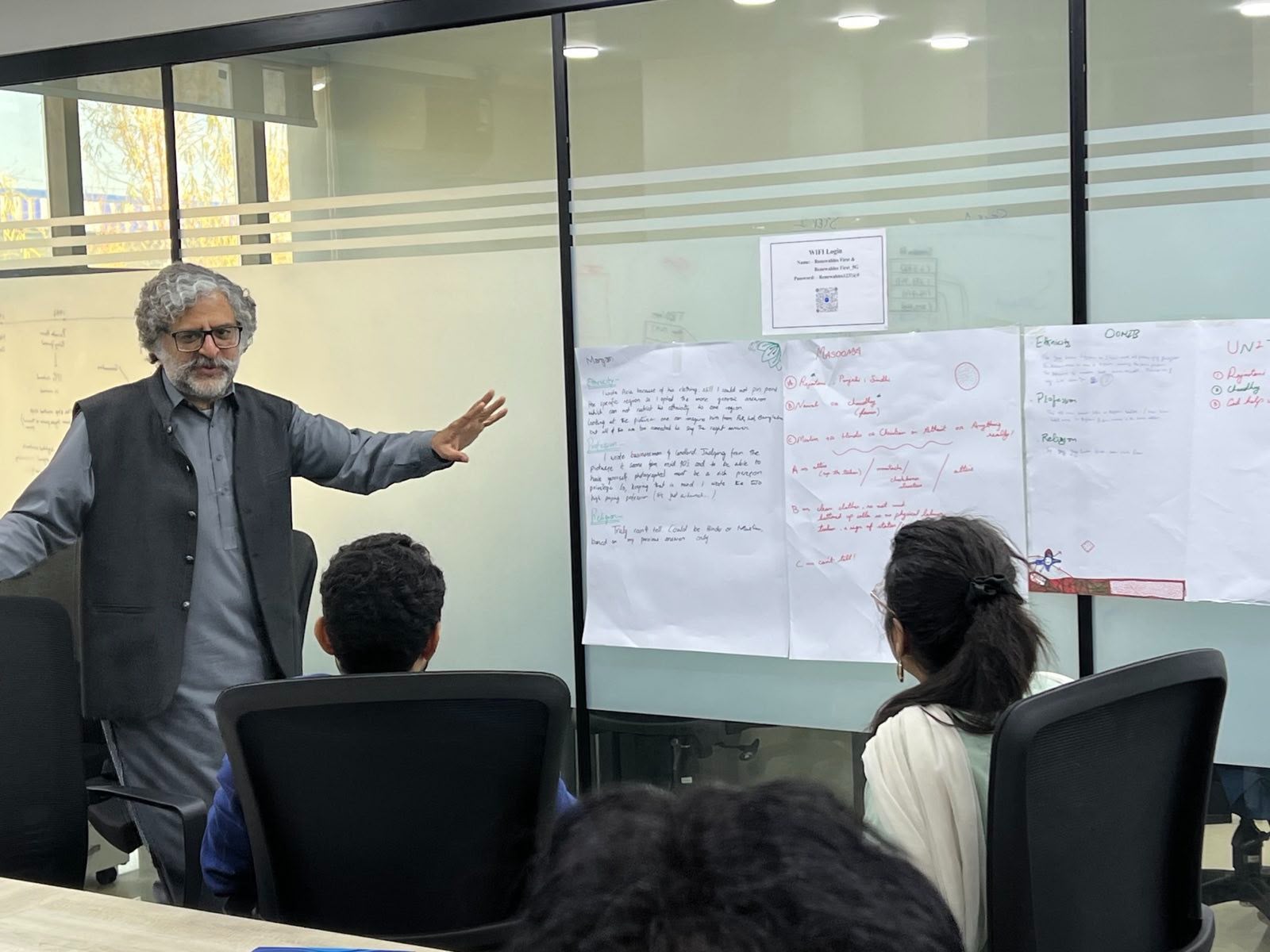
It arranges public events, seminars, consultations, and in-person meetings to promote equity in the energy and climate sectors.

Beyond convening, and in collaboration with allied institutions and stakeholders, it writes letters to government representatives and multilateral development banks. The letters critique policies, plans, and projects when they fall short of justice.

TransitionZeroUrgewaldRecourseAlt. Law CollectiveNUSTParliamentary ForumMedia PartnersCivil Society Orgs
PFEE Logo

Parliamentary Forum on Energy and Economy

A bipartisan Parliamentary Forum on Economy and Energy dedicated to analyzing the energy-economy nexus through collaboration with experts and think tanks.

ACJCE Logo

Alliance for Climate Justice and Clean Energy

Pakistan-based coalition co-founded by PRIED — working on energy transition, climate justice, and coal phaseout advocacy at national level.

PREC Logo

Pakistan Renewable Energy Coalition

Co-founded by PRIED to advocate for Pakistan's transition to renewable energy and accelerate clean energy deployment and the just phaseout of fossil fuels.

APMDD Logo

Asian People's Movement on Debt & Development

Regional network connecting Pakistan's experience with Asia-wide struggles against unjust financial flows and debt-driven development projects.

GCEN Logo

Global Clean Energy Network

Global coalition connecting Pakistan's energy transition experience to worldwide movements for fossil fuel phaseout and clean energy advocacy.